








In the initial days of the Sangham’s operations, the main agenda was to campaign for social reforms. The plight of women was miserable both at home and in society, making it a priority for the Sangham. This focus led to many women joining the movement. As the movement intensified into an armed struggle against the feudal lords, women’s participation grew organically, with many joining the dalams.
In feudal households like ours, women had limited freedom, primarily confined to retaining their property. The purdah system was, fortunately, on the decline, but women in ordinary households still faced all sorts of hardships.
As we walked the streets, doing our work for the Sangham, we could hear the cries of women from almost every house. Except for shedding tears, women had no other way to cope with the physical and verbal abuse inflicted by their menfolk.
We believed the only way to free women from this situation was to involve them in the Sangham’s work, as it did its best to uphold its belief that men and women were equal. The party focused on helping women break the shackles imposed by family traditions and societal norms. Women felt compelled to participate in the movement to achieve equal rights.
The Sangham strongly advocated against child marriage. We often sang the song “Puttadibomma Poornamma”, written by Gurajada Apparao. The slogans against the social oppression of women included: “Get your daughter married only after she becomes an adult”, “Do not impose marriages on your daughters” and “Women are not the weaker sex, but actually the more robust”. The fight against feudalism and women’s oppression went hand in hand. The emphasis on women’s issues was much more prominent in the past than it is today. The party also established a special training centre for women in Vijayawada, where they held classes, with over 100 women joining. No ordinary feat to pull off in 1943!
Inspired by the party’s continued efforts, we worked tirelessly on women’s issues. One day, my relatives decided to marry off my childhood friend to an older man. She was not interested in the proposal. “Your brother is in the Sangham. Can you understand my problems? You are all happy, while I am the only one being ill-treated,” she cried. Determined to help her escape, we kidnapped her and hid her at a relative’s house. Though Amma was aware of this, she kept our secret. The girl’s relatives got wind of our involvement and caused a commotion. They attacked us, saying that the Sangham had spoiled us and that we were a bad influence on others. Eventually, the girl was married to that same man. The committee extensively discussed how to handle such incidents in the future.
A similar incident occurred when the wedding of a Brahmin girl from Bhimunigudem was arranged with an older man. Unwilling to marry the man, she approached the party. Having learnt from the previous incident, the party had made a few improvements in dealing with such matters. They took her to Prajasakti Nagar in Vijayawada. As you can imagine, the marriage was called off when the bride went missing. The girl actively contributed to the movement, and once the agitation against the Nizam ended, she continued to live on her own terms. Her emancipation was a triumph, and we remember it with pride.
Tapi Rajamma’s case was similar. She was also from a Brahmin family and had been married to an older man. One night, one of our party leaders went to her place and helped her escape from her house, which sparked hostility against the party. However, she continued to work with us.
If the movement influenced a family, all of its women also became part of it. The reasons women joined the movement varied depending on the social status of their families. As I mentioned earlier, breaking free from socially oppressive norms like child marriage was the primary reason women from both middle-class and affluent backgrounds joined us. However, women from the working classes and socially oppressed castes united to protest against the exploitation and atrocities perpetrated by feudal landlords. Ailamma is a great example. The struggle for land and food was the same for both men and women. The movement mobilised women to fight for equal rights and against patriarchal control.
Women who worked as labourers were oppressed by men at home and landlords at work and were looted of their earnings. They were helpless and couldn’t escape, even if their husbands physically abused them or threatened to kill them. The movement gave working-class women the courage to revolt against both these forms of oppression – this deserves special acknowledgement.
After joining the movement, men began to move away from their conditioning, from discriminating against and oppressing women. On the one hand, women from working-class families, alongside their men, revolted against feudal lords. On the other hand, they took on all the family responsibilities if their men did not return home or were sent to prison. These developments prompted the men to see women as their equals and to keep them informed about happenings around them. Working with women in such an intense struggle made the men abandon the impulsive, habitual behaviour of oppressing, beating and abusing their womenfolk.
By highlighting these positive incidents, I do not mean to imply that patriarchy was obliterated in the Sangham. I am only suggesting that a notable change had begun. Any patriarchal incidents involving ordinary members or leaders were questioned, criticised and protested against. That spirit of challenging and criticising the norms was made possible by the movement.
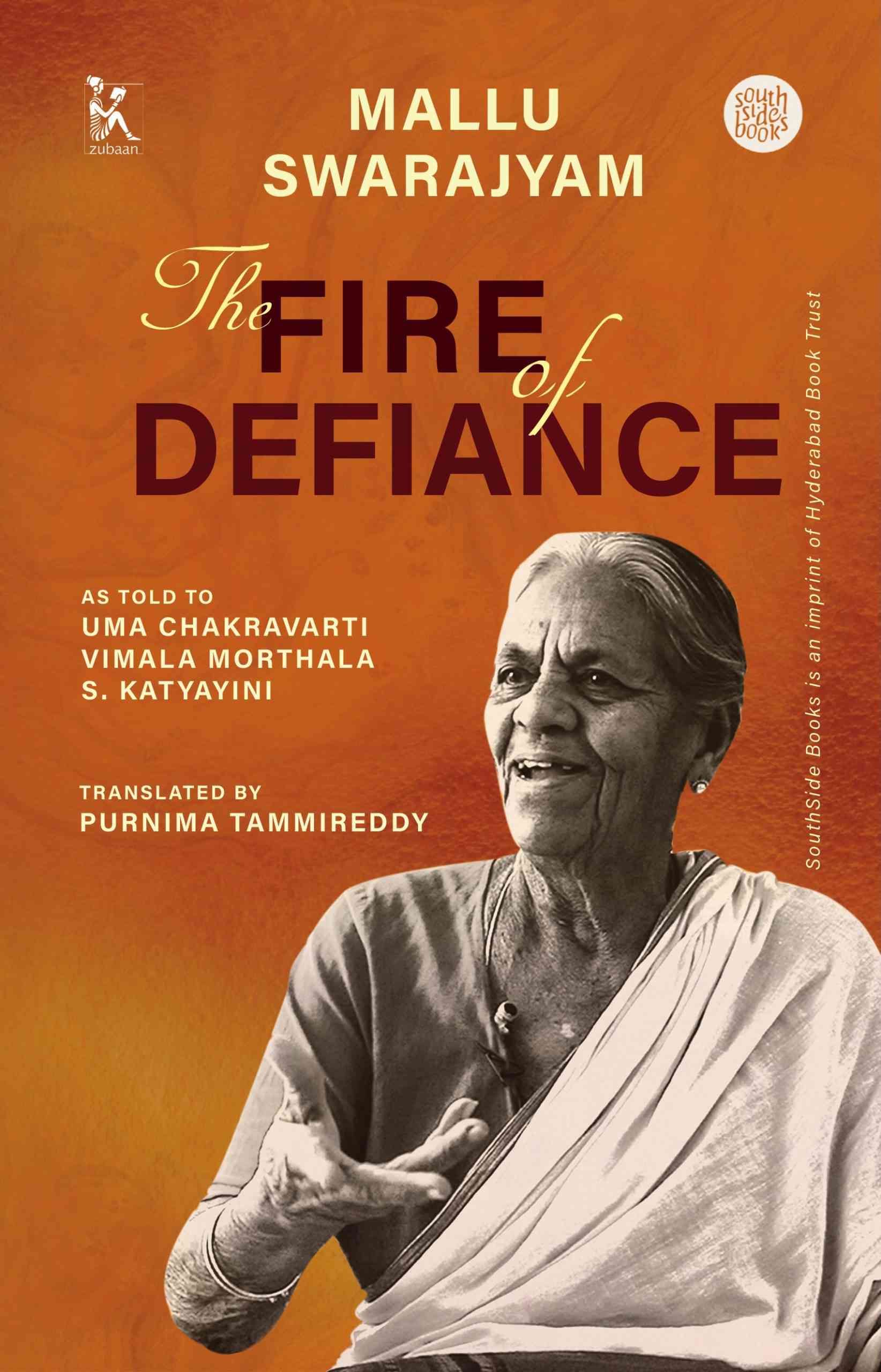
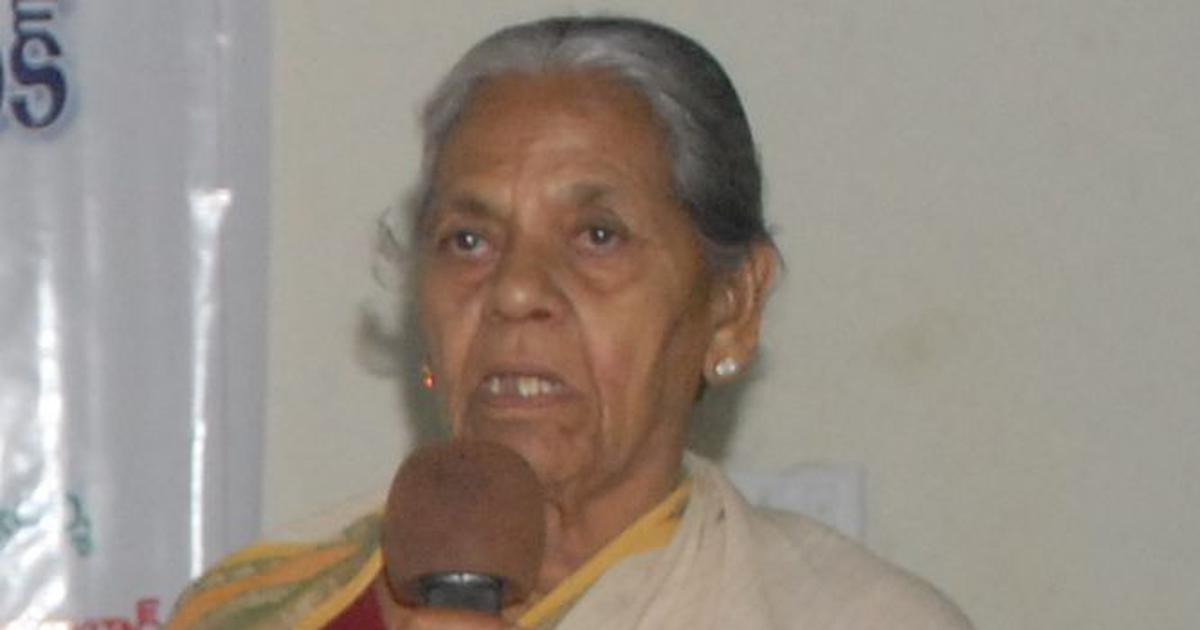
Excerpted with permission from Mallu Swarajyam: The Fire of Defiance, S Katyayini, Vimala Morthala, and Uma Chakravarti, translated from the Telugu by Purnima Tammireddy, South Side Books and Zubaan Books.
